The company's Wuyi-Rongtingwan project is about to be completed
Project Overview
1. Construction Scale:
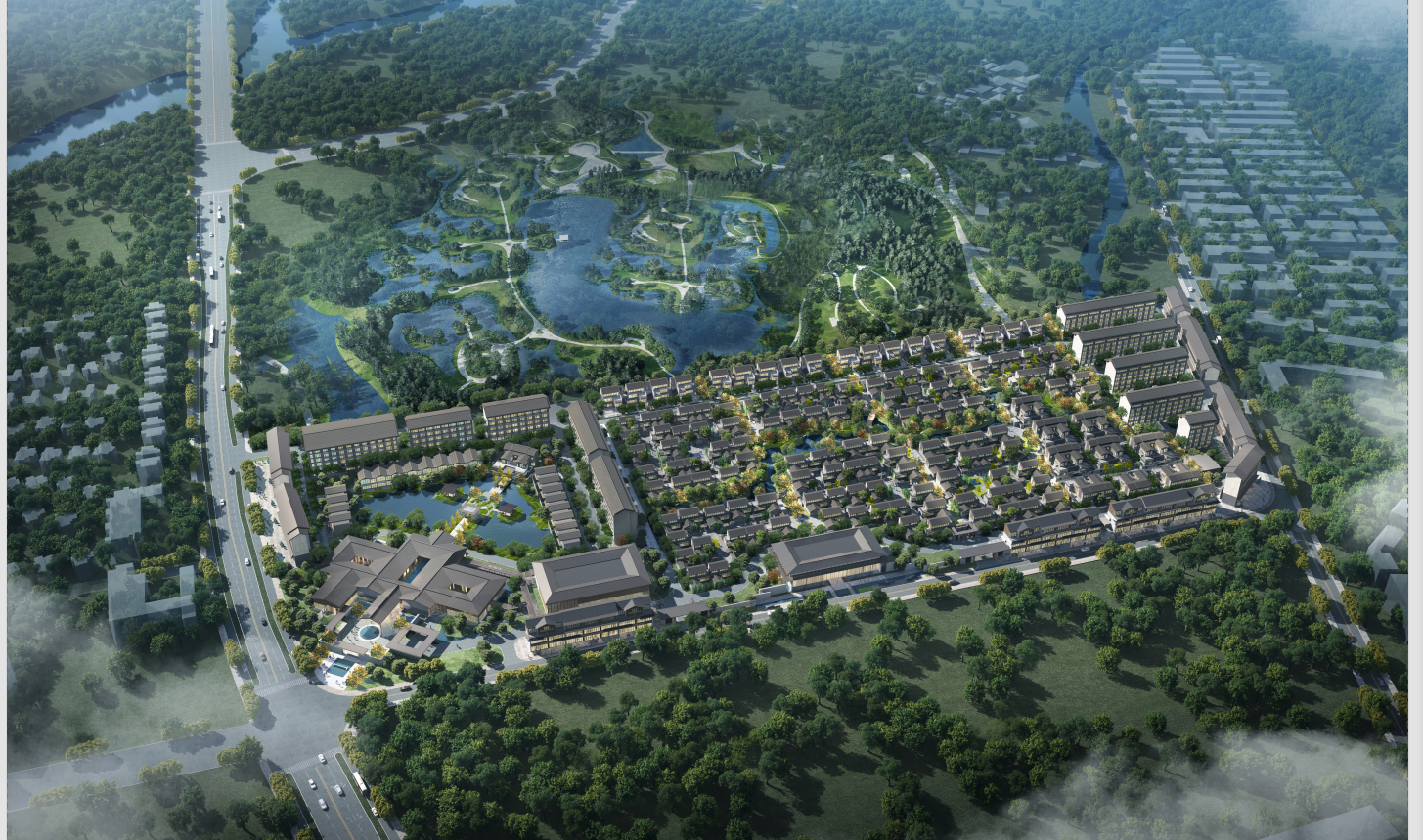
Land use area of 113,333.8 square meters, total building area of 150,515.20 square meters, usable building area: 73,667.04 square meters, plot ratio of 0.65.
The main types are 40-year leasehold self-owned hotels, vacation inns, and 70-year transferable vacation villas, vacation apartments, designed with 1 to 6 floors above ground and 1 floor underground.
2. Construction Location:
The site is located in Angting Village, Wuyi Street, Wuyishan City, adjacent to the core scenic area of Wuyishan, rich in landscape resources, with a view of Dafeng Peak nearby. The natural environment of the site and external landscape conditions are good, with convenient transportation and good development prospects.
3. Overall Positioning:
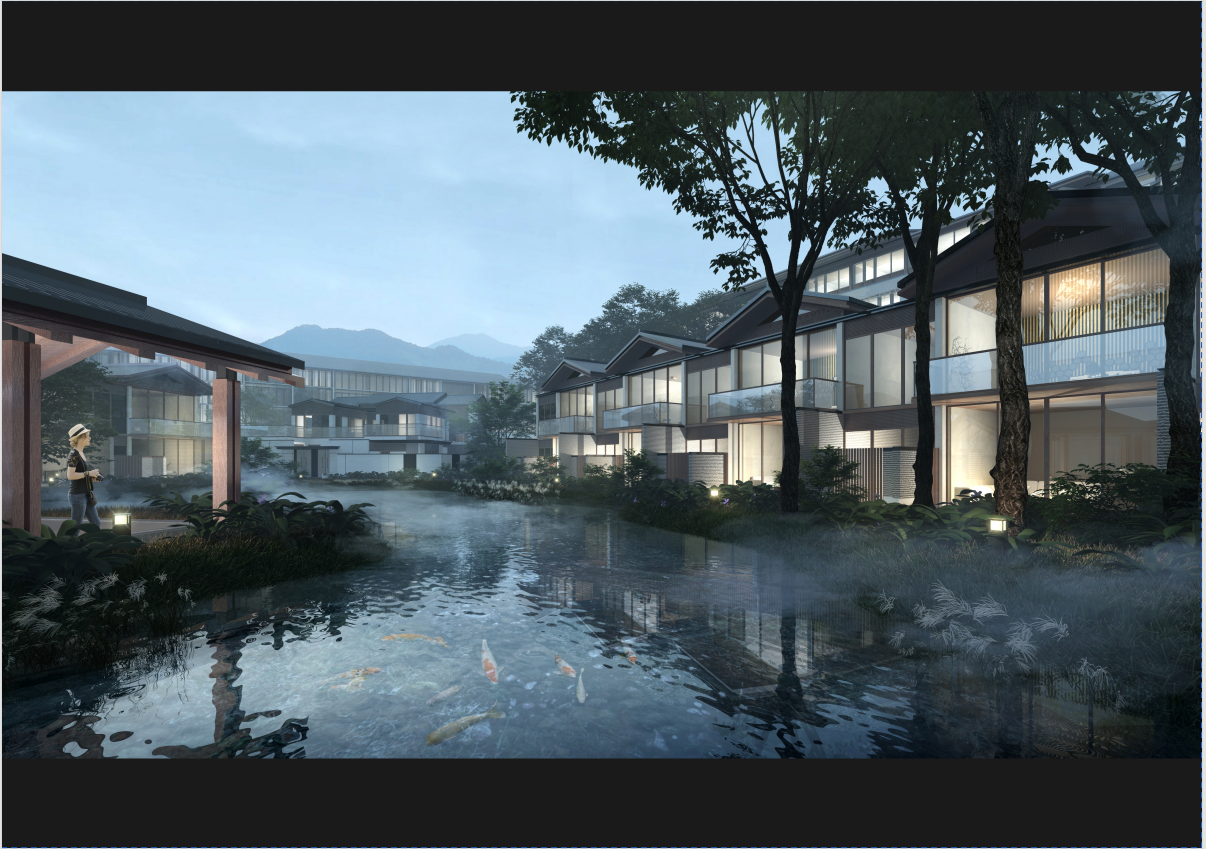
This project is positioned as a commercial and cultural tourism property based on local culture, aiming to create a tourist destination in Wuyishan. It interprets the cultural scene space of Wuyishan lifestyle centered around alleys, creating a vacation village.
According to the above guidelines, the project positioning aims to highlight brand shopping, commercial leisure, business vacations, and cultural integration, striving to fully reflect the local cultural veins, pursuing ecological, vitality, and the design goal of translating traditional vocabulary into classics.
4. Functional Positioning:
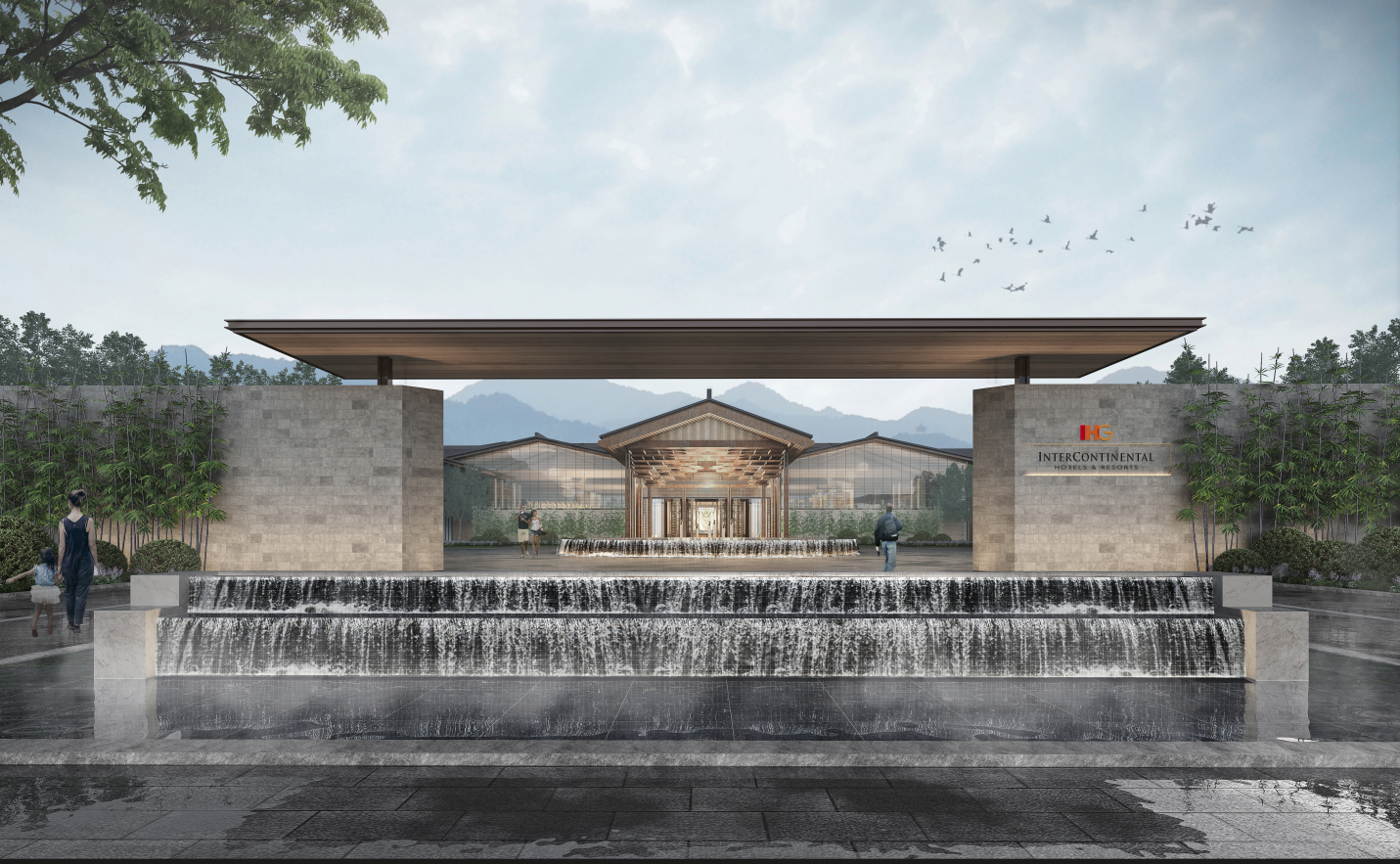
Tourism - integrating Jiangnan water towns and Minbei culture, creating tourism depth through humanistic landscapes
Leisure - buildings arranged irregularly, creating gardens that can be strolled and lingered
Commerce - creating a place that can accommodate, shop, tour, and play, featuring humanistic, artistic, international, and fashionable vacation destinations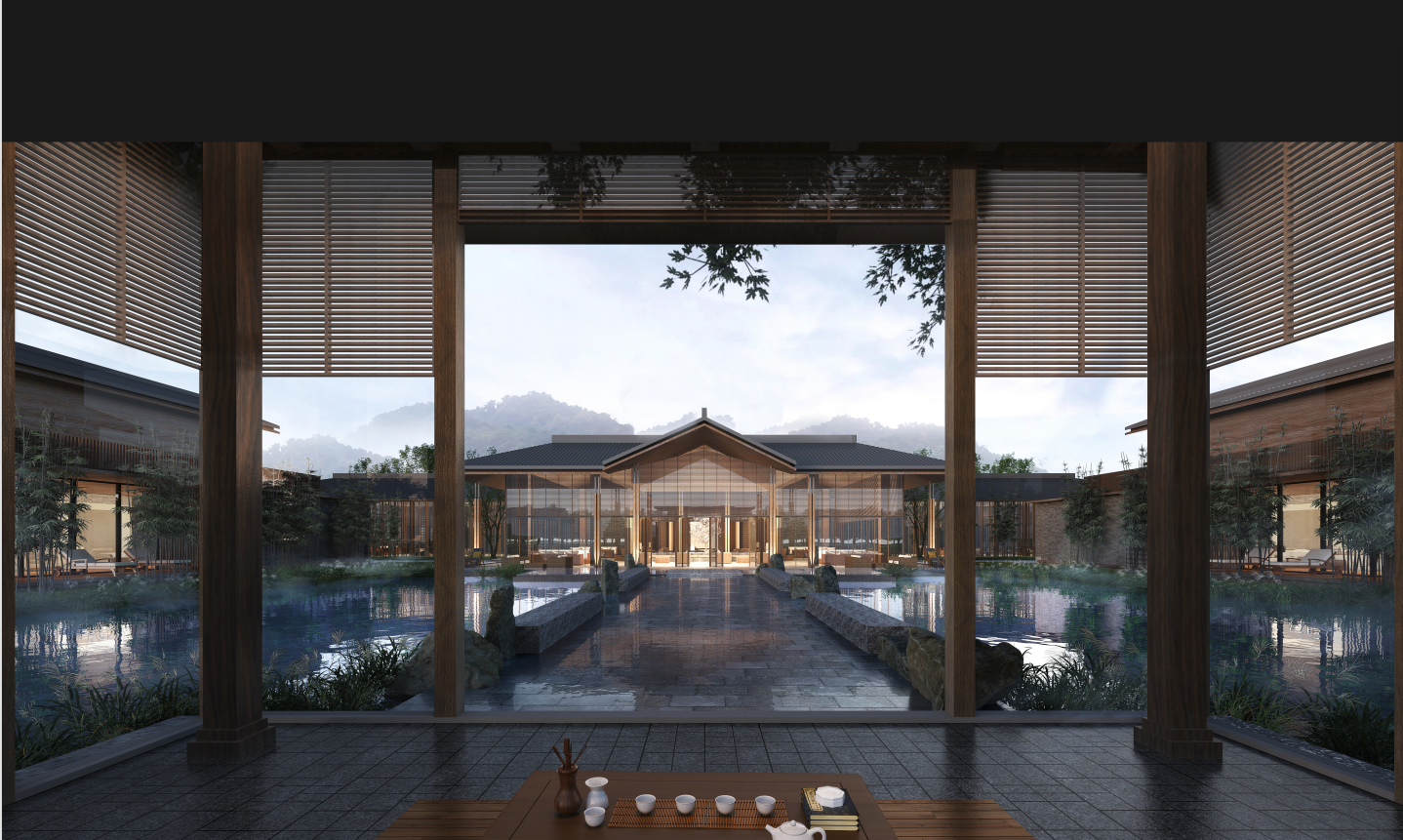
Wuyishan architecture has always been characterized by 'mountains as the skeleton, water as the bloodline,' creating an ecological settlement where people, buildings, and nature coexist harmoniously.
'Using Wuyishan as the humanistic texture, using alleys as the humanistic symbol.'
Traditional Wuyishan villages mostly choose to live by the water, with water systems running through or around the village, serving as the framework and branches of the village system. At the same time, they become important elements affecting the spatial form of the village, with alleys playing roles in traffic, ventilation, and villagers' communication.
Red mountains and winding streams blend with ancient villages and old streets, forming the unique and rich humanistic landscape of Wuyishan.
uildings are not just carriers of living but also 'gravitational fields carrying cultural connotations.'
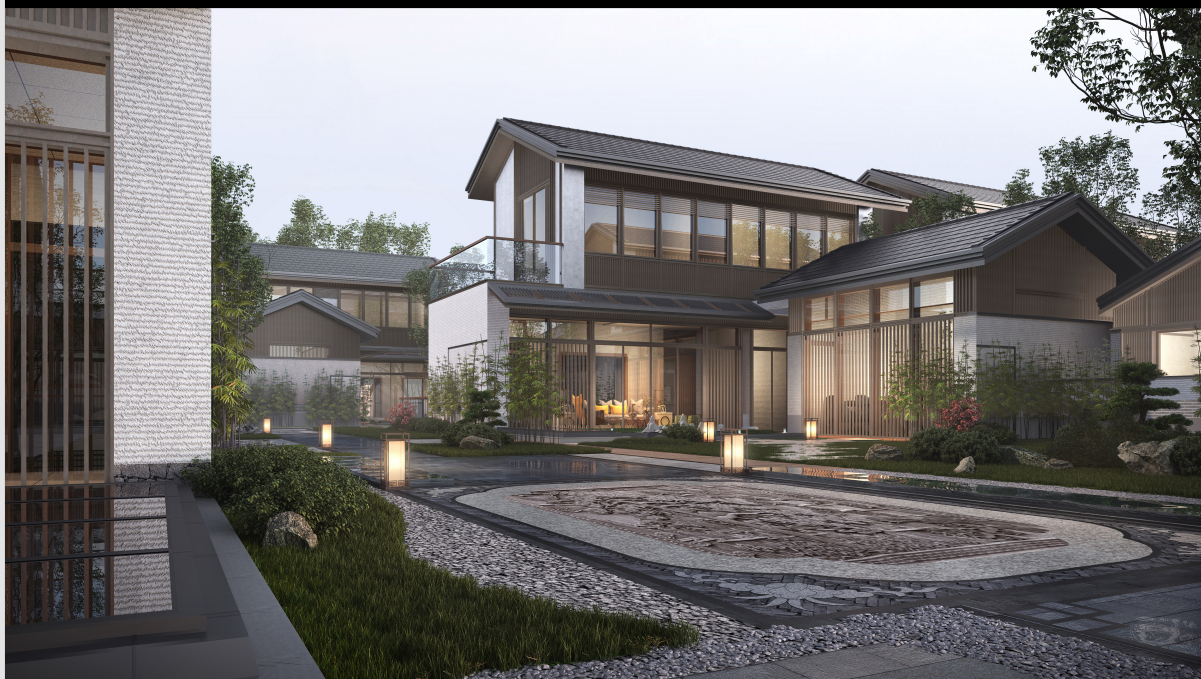
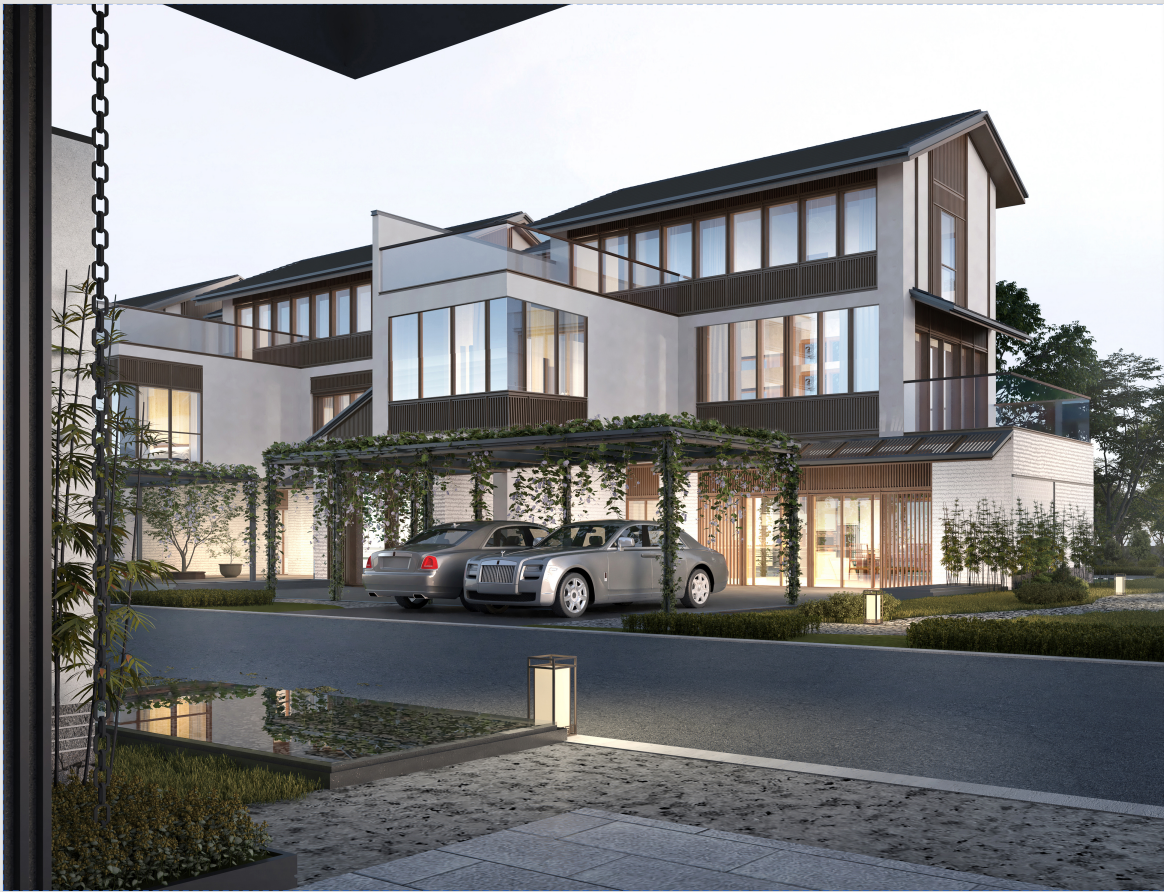
Architecture always engages in artistic and cultural reflections on history and geography, behind which lies our product philosophy: pursuing respect for regional features, creating harmony between buildings and nature; tracing back to a thousand-year cultural vein, capturing the profound cultural essence of Minbei; understanding the spirit of the times, creating a contemporary Eastern perspective, and constructing a lifestyle aesthetic with unique humanistic perception.
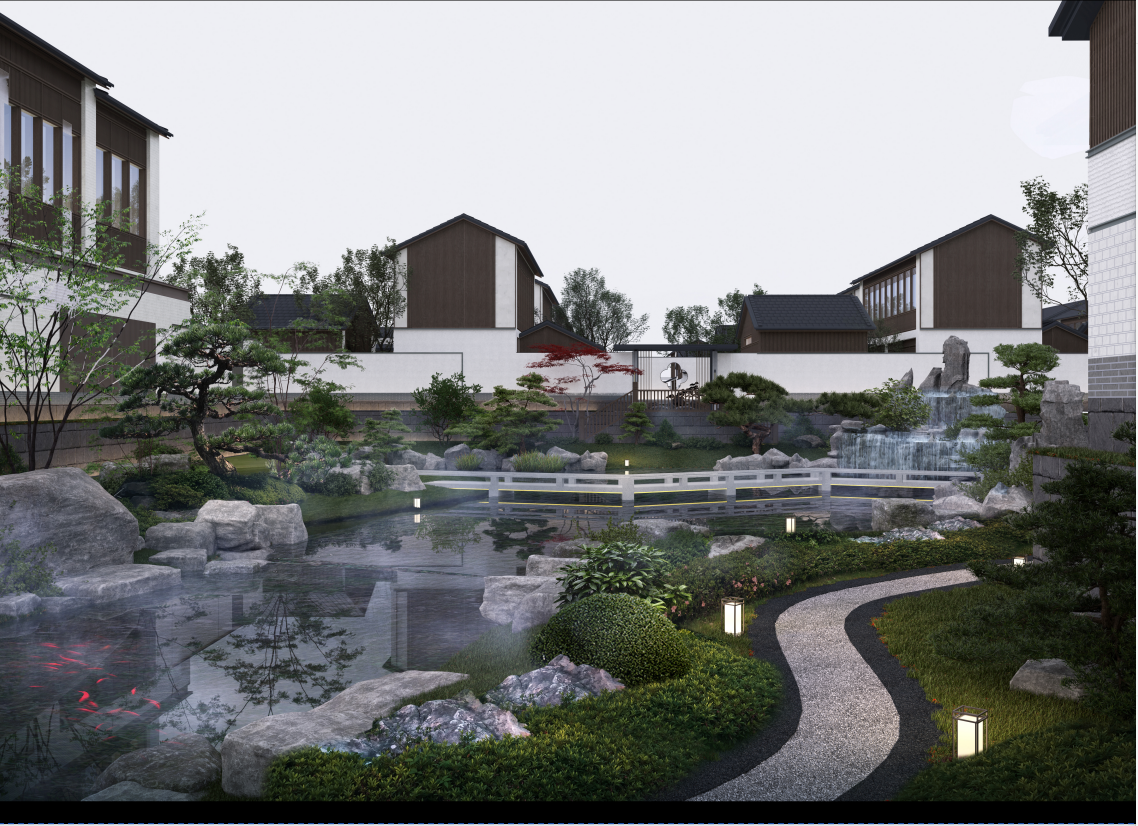
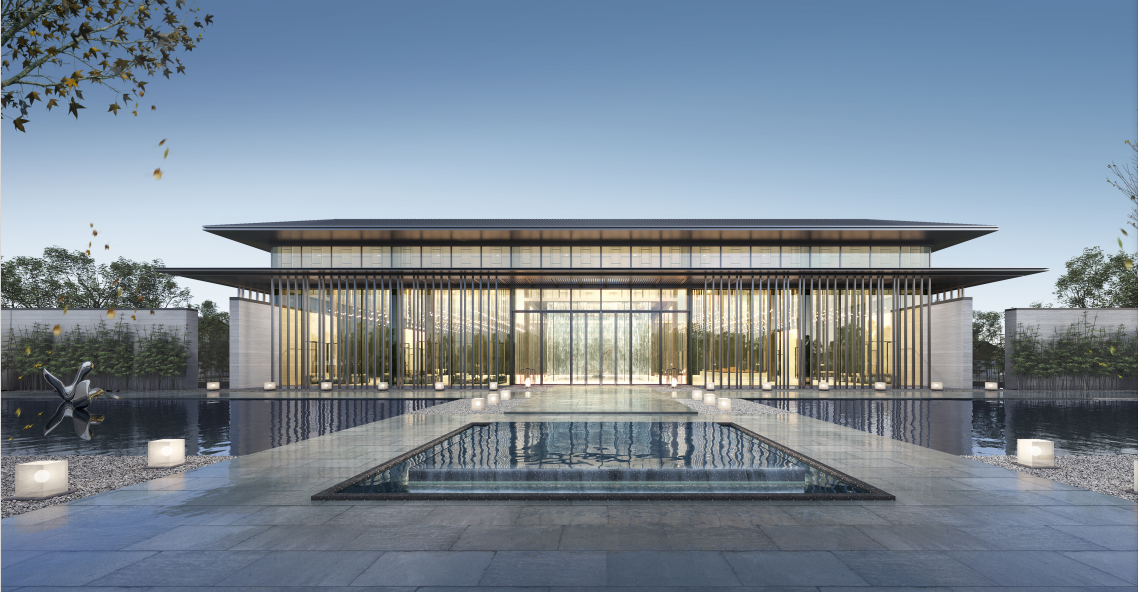
The architectural style draws from Wuyishan residential buildings, incorporating blue bricks, black tiles, tiered courtyards, four waterways converging at the hall, ventilation and lighting, carved beams and flower windows, winding corridors. The design integrates local cultural symbols such as the walls and gates of Xiamen Village and Wufu Ancient Town, respecting the architectural cultural veins of the place, inheriting and highlighting the historical and memories carried by traditional villages, preserving and showcasing life concepts and cultural flavors, while resonating with the characteristics of the Wuyishan region's spatial scenes. The exterior design uses modern techniques to interpret the characteristics of traditional Minbei residences, forming a new Chinese style with regional cultural features, emphasizing a relaxed and comfortable Chinese courtyard living atmosphere. The walls of Wuyishan residences have a unique three-part structure of soil on top, bricks in the middle, and stones at the bottom, from which we extract design elements, combining them with the wooden beam and column interlocking structure, using modern materials for translation, enhancing the texture expression of the building, and through modern craftsmanship, 'reconstructing' exquisite structures.